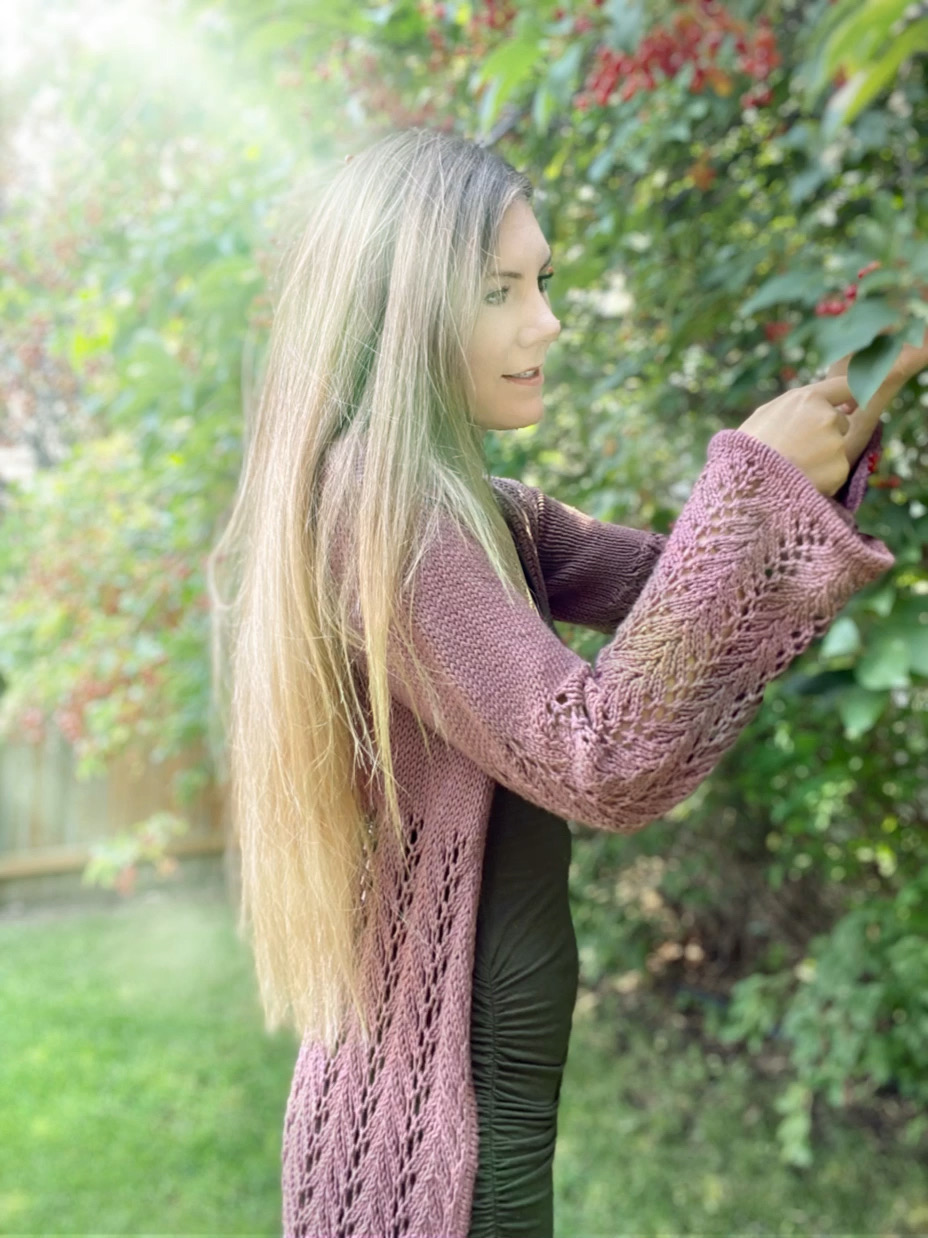
I want to test for you! Will you pick me?
I want to express my deep gratitude to everyone who is interested in testing for me! It means a lot, as I still feel nervous when sharing my designs for public critique. Knowing that others appreciate my design enough to offer to test my pattern is incredibly meaningful to me. Testers are highly valued and respected. Before each testing call, I usually receive messages asking about requirements, materials, and a request to be put on the testing call list. Typically, the specific questions are: “Do you still need a __ size? How much yardage? What yarn? When is the deadline?” Sometimes I have time to respond with some details, but usually, my response will include where and when they will find the testing call. That’s why I create testing calls with all the necessary details. My testing calls will include a deadline, a list of requirements, a materials list, when testers will be notified, and more! I thought that writing a general Q&A post would be a helpful resource for those who aren’t familiar with my pattern testing process. I hope this will answer all your questions!
What is testing?
Testing involves a designer choosing crafters to “test” or make their pattern. Testers ensure that the pattern can be accurately translated into the finished product, that it is correctly written and makes sense to the maker. They also check that the row/round and stitch counts are accurate, and that the garment fits as intended.
Why be a tester?
There are several reasons to become a tester. If a tester is looking to promote themselves, testing is a great way to do so. When the designer promotes their design and pattern release, it’s likely that the tester’s creation will be shared as well. Testing is also a great way to make friends and connections in the maker world, as most tests are done in small groups of people with similar hobbies. It’s an opportunity to grow one’s business or brand by reaching a similar audience or following. Lastly, testing is a fun process, like a make-along, and it allows testers to receive the pattern months before the release.
Is testing all fun and rosy?
Being a pattern tester is a commitment, just like any job, even if it’s voluntary. There are specific requirements that need to be met, and the designer relies on the testers. While testers are not always paid, they usually receive a free pattern as compensation, along with promotion of their social media accounts. Testing involves more than just knitting the pattern. Testers may need to do counts, take measurements, create gauge swatches, block their work, and provide suggestions to improve the pattern’s format or fit. Effective communication and active participation are essential, along with maintaining a helpful and positive attitude within the testing group.
How will the tester know the requirements?
It’s important to note that many designers include their requirements in their testing calls. However, I believe it would be better if all requirements were posted before testers apply, since each designer’s requirements can vary. If the requirements are unclear, testers should ask questions before committing to the project. Personally, I always list all of my requirements in my testing calls, just below the deadline and materials needed. They are also listed in the section below for easy reference.
So what do you look for specifically when selecting testers?
When selecting testers, I have certain criteria in mind. First and foremost, it’s crucial that a tester applies correctly. If an applicant doesn’t follow the application process correctly, it shows a lack of attention to detail, which is not ideal. I used to gently remind applicants to review the requirements, but now I simply move on from those who don’t follow instructions. It’s important to have testers who pay attention to detail and can work efficiently. Another important factor is the commitment to finishing projects. I like to take a look at an applicant’s social media and Ravelry account to see their previous posts and projects. I check the timelines for starting and finishing crafts, as well as the quality of their work. Additionally, I consider how well they photograph their crafts. While good photographs are important, they are not always a deal breaker. I’ll explain more about this below.
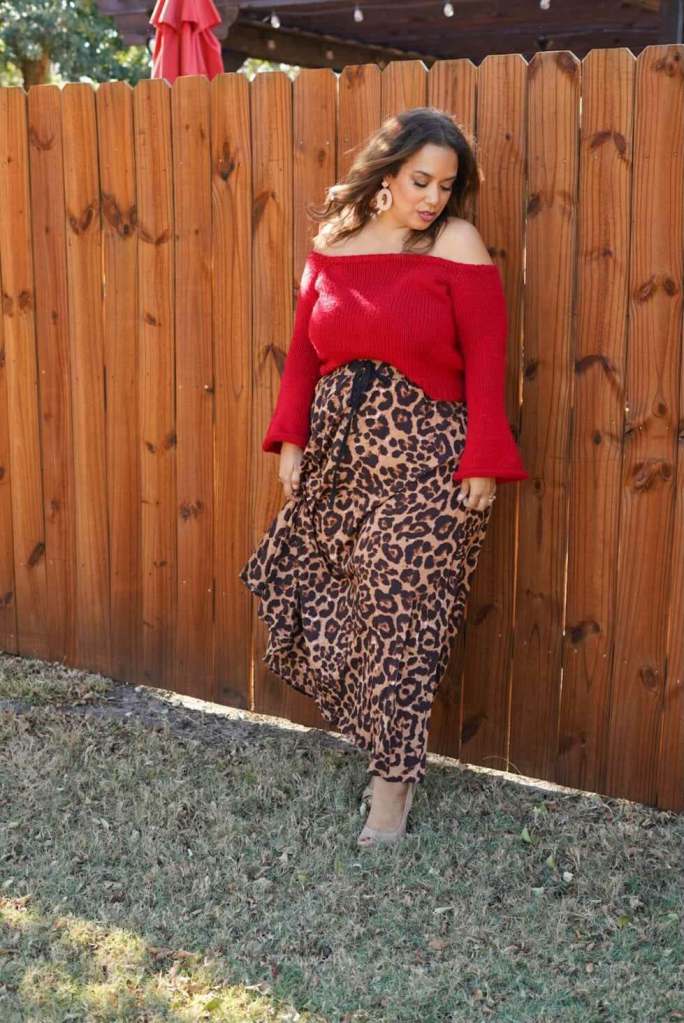
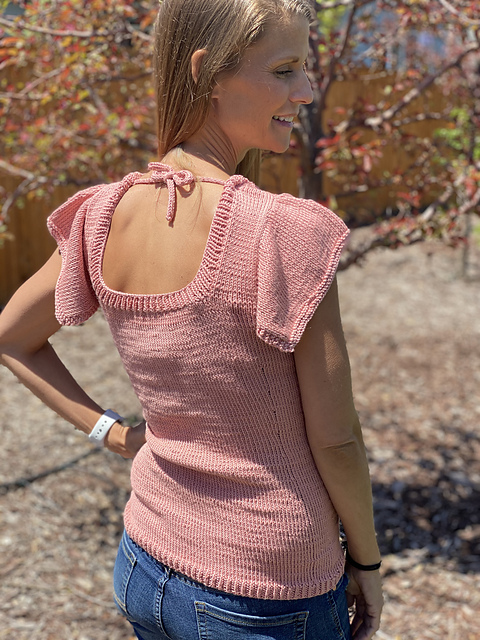
I absolutely love seeing photos that show a real passion for the project. Whether it’s a modeled shot or a work-in-progress photo, great lighting really catches my eye and makes the photos more memorable. I’m not looking for professional photography, just a sense of love for the process/project, and photos are a great way to show that.
Modeled photos show how different sizes will fit on different bodies. Here are some suggestive tips for taking good modeled photos: good lighting, creative styling, and confidence make a difference. If you’re shy about showing your face and/or body, that’s okay, but showing your personality through your photos is appreciated. A face shot is not required, but I think it’s great to see your confidence.
I’m really looking forward to sharing amazing projects on my grid, in my release emails, and in my blog posts (wink, wink), as long as the testers are okay with it. Your understanding is much appreciated!
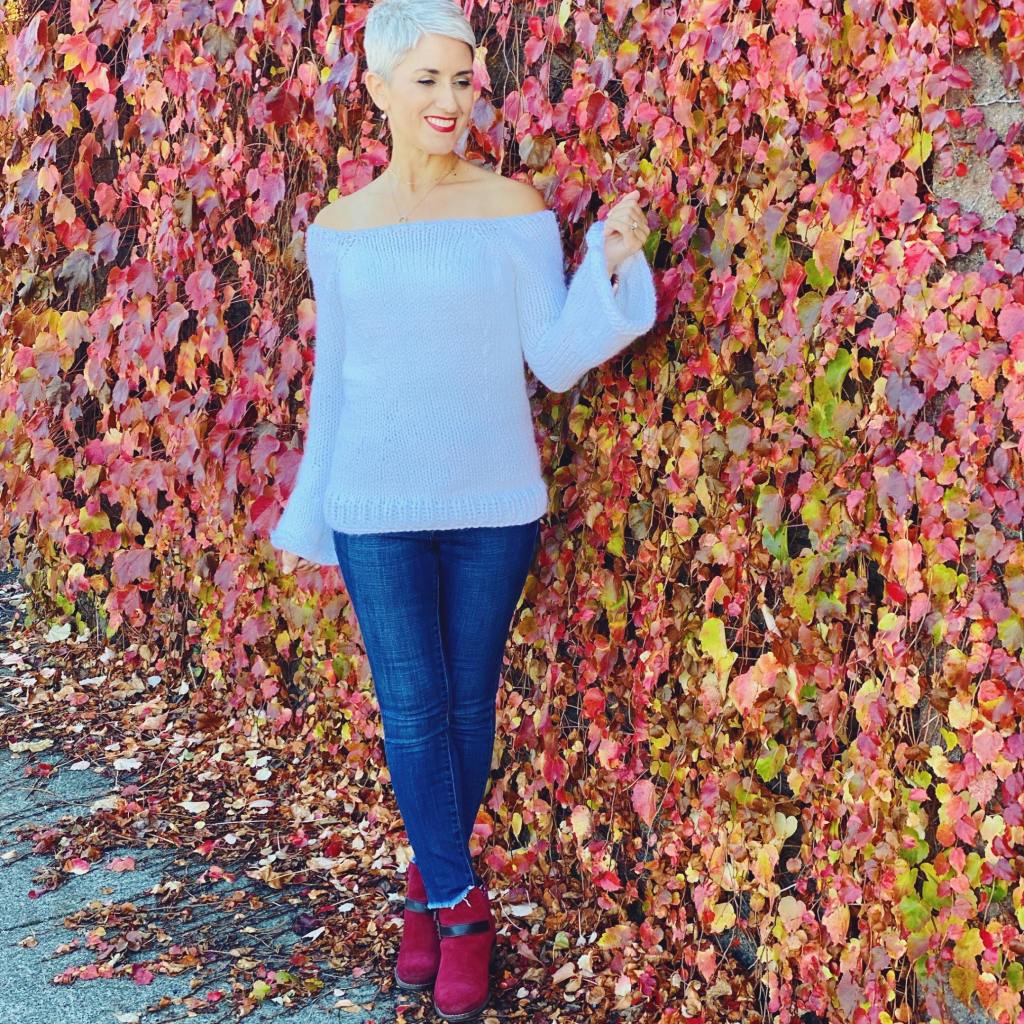
I’m okay with the photos not being perfect; I’m just happy to see my designs in good lighting. I used to ask testers not to use bathroom selfies, but I didn’t mean to offend anyone. There was a situation where a tester’s bathroom selfie showed private items that I felt were inappropriate to share publicly. It made me uncomfortable, so I didn’t use the photos. I later realized that my request might have come across differently than I intended, so I revoked it. Please feel free to take selfies, but please be mindful of what else is in the photo.
In summary, I encourage testers to take photos in whatever way makes them feel most comfortable. Whether it’s having someone else take the photos, using a self-timer and tripod, or taking selfies, the important thing is to ensure that the photos effectively showcase the fit and are appropriate for a wide range of audiences.
Please ensure that you meet the requirements without requiring constant reminders from me. It makes me uncomfortable to have to remind you, just as it may be uncomfortable for you to be reminded. Below is a list of my typical requirements. Those who complete the tasks on the list without needing reminders are superstars! Thank you!
I prioritize completing the test, even if the deadline was missed. Timely feedback is crucial, even after the pattern is published, and I am genuinely thankful for it. I am always open to considering and implementing edits post-publication. If I am not bound by a strict deadline, I touch base with testers about 1-2 weeks from the original deadline. While I do my best to adhere to the original deadline, I am especially mindful of accommodating my plus-size testers. If necessary, I am willing to extend the test by a week or two to support testers needing extra time. However, I do not usually extend deadlines for those who have overcommitted to tests or have not put in the effort, as I believe it is unfair to those who worked hard to meet the original deadline.
I believe it is respectful and fair to compensate a tester for their work if the test is not completed, especially if there was never an intention to complete the test in the first place. I want to emphasize that this is just a suggestion to consider. When someone agrees to the requirements and is selected, it means that another tester who could have completed the project is losing the opportunity. Is this a mandatory requirement? No, it’s not! I acknowledge that testing is voluntary and requires a lot of effort. I understand that unforeseen circumstances can arise, and I try to be understanding if a tester has to drop out. So, there’s no need to worry about receiving an unexpected invoice from me. I won’t send one. I support testers who apply and give it a try, but I ask that they apply with a clear understanding of the commitment they are making when they submit their application.
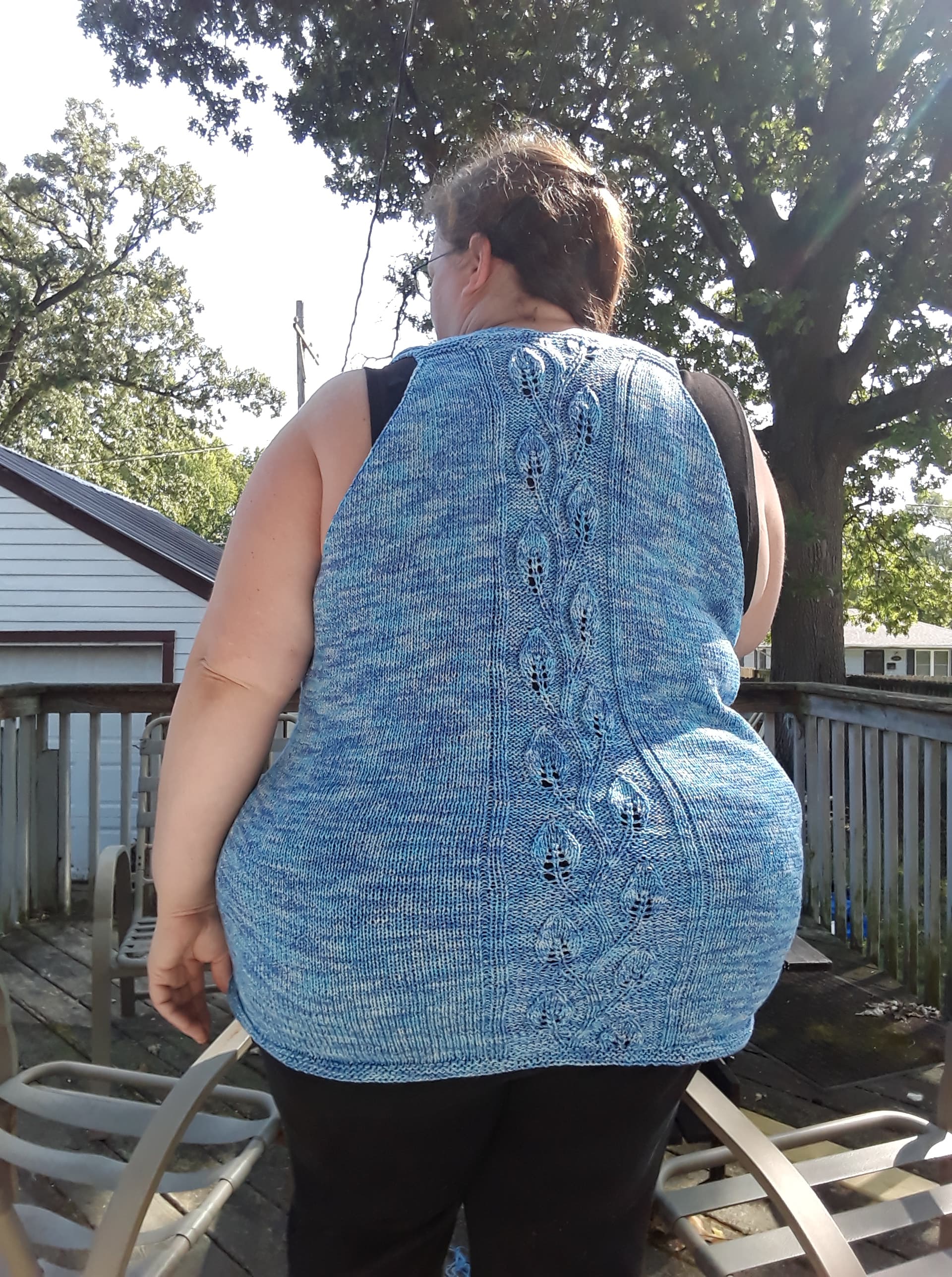
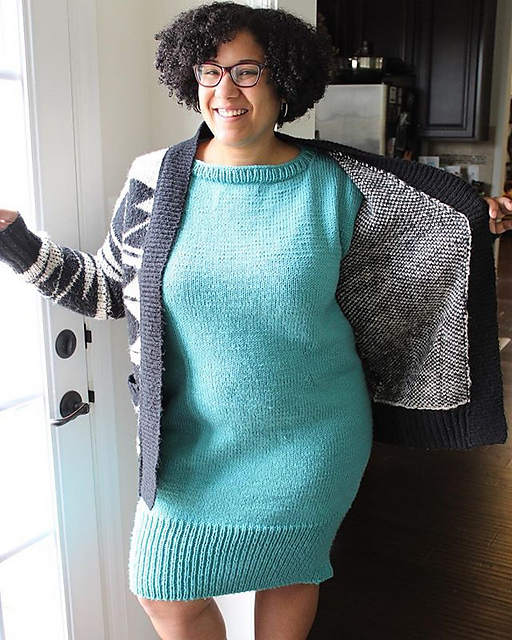
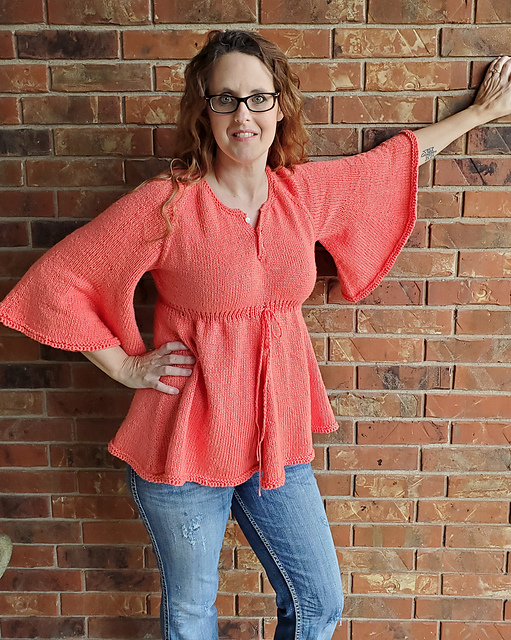
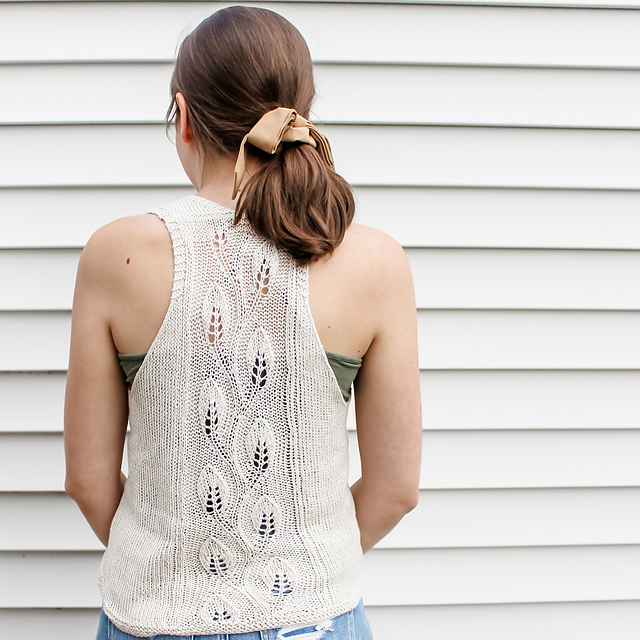
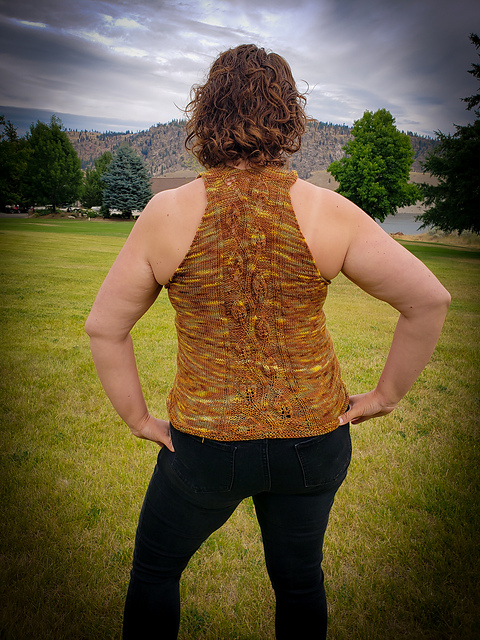
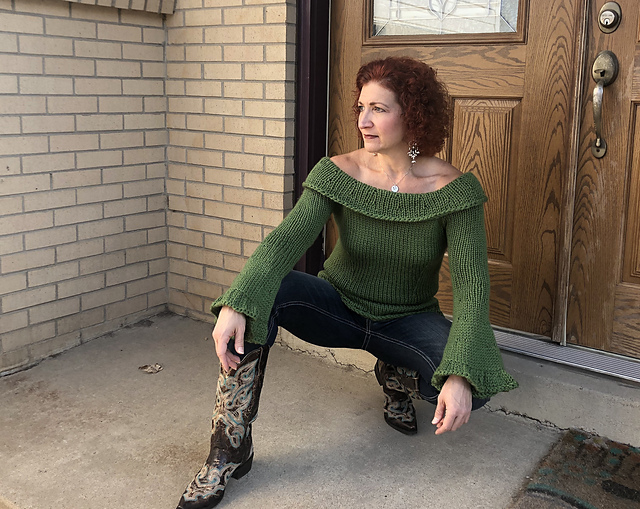
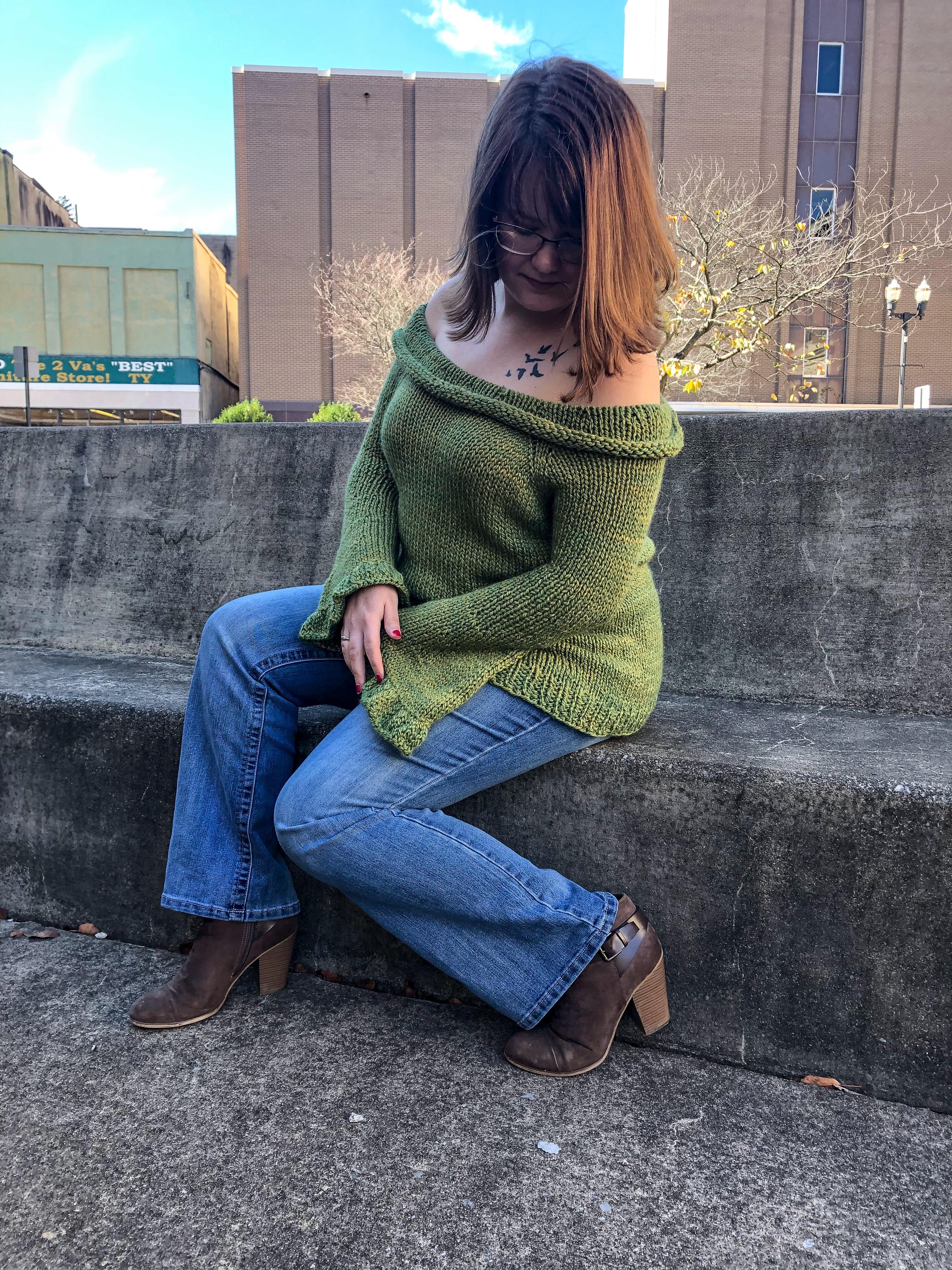
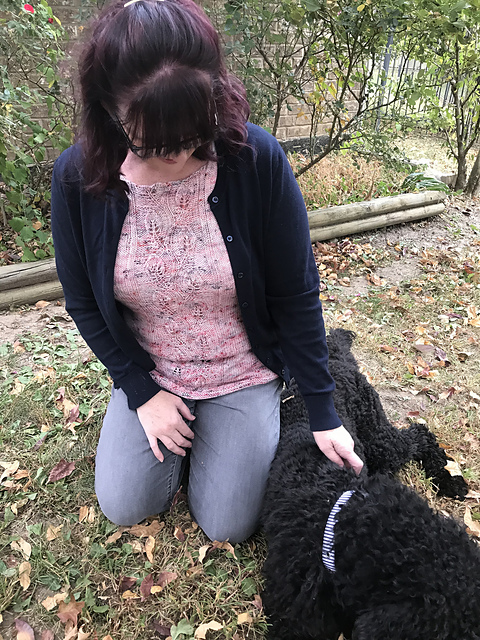
Photo credit top (left to right – @justbuttsastitch, @ragingpurlwind, @carol_hladik_designs, @katey_stolhammer), bottom (left to right – @novagryphon, @shariwagnerofficial, @hopeful_making, @yarnontheprairie)
Communication is just as important as completing the test. Please don’t hesitate to communicate any difficulties you encounter during the test. I encourage you to engage in testing banter, help others, and provide constructive feedback. In the past, I have had testers who met all the requirements but never communicated with the group or provided any help during the test. While this is not necessarily wrong, I don’t find zero communication helpful. However, if the silent tester still offers notes or feedback at the end of the test, that would be great. I’m simply asking for input in whatever way the tester feels most comfortable providing it.
I am genuinely enthusiastic about the testing process and adding more testers to my team. I deeply value the support and interest shown in my designs and business. Those who demonstrate support and appreciation for my designs tend to excel in the tests. I also encourage everyone to support and motivate each other within the group. While I may not always respond immediately, I am truly pleased when others offer advice and support. Following me is not mandatory, but I am looking for testers who are as excited to work with me as I am with them. Building a connection with me before applying for tests can be beneficial for both of us. Although it’s not a requirement, engaging with me can make a positive difference. I have discovered and accepted new testers who learned about me through shared testing calls, and I have formed great friendships and found reliable testers through this process.
I have a specific criteria when selecting testers, but sometimes I choose testers who don’t meet expectations. I’ve learned from these experiences to improve my next test and avoid such issues. I enjoy meeting new testers and working with familiar faces. Life happens, and it happens to me too. Sometimes I’m disappointed in some tests/testers, but I’m also blown away by others. What does it take for me to be in awe? All of the above!
Where are your testing calls, and how does one apply?
New potential testers can find my testing calls on my Instagram and Facebook. I also share my testing calls with my email list. Additionally, I post a link to my testing calls on my website. Generally, my testing calls are open for only 48 hours and start immediately. I aim to select only 2 testers per size. If the number of applicants for a specific size reaches 20, I close that size from further applications, as it becomes too many to manage. I notify chosen testers via email by the date specified in the application. However, due to time constraints, I may not notify applicants who are not selected. If you don’t receive a notification by the specified date, it likely means you were not chosen. (I’m sorry, this is the most difficult part of selecting testers. It is really challenging to choose only a couple of testers per size.)
What are your testing requirements? Do I have to agree with them?
As testers, we all have different needs and expectations. It’s important to make sure that you understand and agree with the requirements before applying for a test, as each designer may have their own unique approach. Testing is usually voluntary and unpaid, but by applying for a test, you are committing to and agreeing with the terms. Please do not apply if you do not agree with the expectations. Even if a designer is in need of testers, it’s better not to volunteer if you don’t agree with the terms or process. It’s not helpful to enter a test with a negative attitude or feeling forced to comply with the testing rules.
My testing requirements:
1.) Please carefully review the application to ensure that you can meet the requirements and deadline.
2.) Provide a Ravelry project link with a modeled photo and list the size tested along with any helpful notes, if applicable.
3.) The pattern, including charts and small sections, should not be shared, sold, or copied. It is intended for your private use during the test only.
4.) Unless using the listed alternatives in the pattern, please refrain from altering the design. Common alternatives such as ease options, length options, sleeve options, and more are included in the designs and may be applied to the testers’ knit. Any desire to change or alter the design beyond the listed alternatives should be done after the pattern test is completed. Design elements of the pattern should not be altered. If the design does not fit properly during the test, please contact the designer so the fit can be adjusted before continuing. I want the design to be one the tester will love to wear, and I’ll help fit it the way you want!
5.) Keep track of the stitch counts/round and row counts for your size. The patterns include regular stitch count checks after increases, decreases, panel separations, and more. Please notify the designer at your earliest convenience of any errors, confusion, and/or questions. All feedback is welcome and appreciated!
6.) The test will be conducted using the SLACK app, so testers must be willing to download and use the app.
7.) Participation in Instagram promotion is needed for testing at the moment. While I initially did not perceive this as a marketing initiative when I made it an expectation, I now understand its categorization and am forthcoming. I want to showcase the project on different bodies under a specific hashtag to create a catalog of projects on different bodies for those who cannot access Ravelry. Modeled photos of the finished knit with the corresponding hashtag are important. As a small designer, I’m looking for passionate volunteers. I will showcase your work on my social media and promote testers in my emails. Your comfort is important, and I want to ensure you feel at ease throughout the process. If this is out of your comfort zone, I respect that and value you. However, I recommend not signing up to participate at this time.
8.) A free pattern will be provided at the conclusion of the test to those who meet the requirements by the deadline.
Last question, please? Do all testers have to apply the same way, even if they have tested before?
I expect all testers to apply using the application form for every test. As my tester pool grows, I may not always be able to select everyone, including former testers. If we work well together, there is a good chance a tester will be selected for each test they apply for. I often have repeat testers, as we have learned that we work well together. Through tests, I have developed close friendships with some testers, and we have mutual respect. These returning testers appreciate the way I host my tests, and I am very appreciative of their feedback and hard work. I always aim to create my testing team with a mix of trusted testers who have previously tested, as the familiarity and trust are already there, along with new and enthusiastic testers. Sometimes, I have to say, “Not this time” to former testers. This may be because we didn’t work well together or because requirements weren’t met on a previous test. Sometimes, I feel a former tester may be preoccupied or unwilling to give the same level of effort as before, and then it is time to find someone else who seems excited about the test. Ultimately, each tester’s selection is considerate of the applicants.
If a tester is interested in the knit and agrees with how I host my tests, please apply! If a tester is excited to work with me, please apply! Whether a tester loves just one thing about testing or 20 things, please apply! If a tester has enjoyed testing for other designers, please apply! If a tester has been disappointed in testing for other designers, please still apply! But please be sure to be committed and WANTING to do it. It makes all the difference to both the designer and the tester. Thank you!


 Lovely by Lee
2 thoughts on “Testing for Lovely by Lee”